The Benefits of Regular Rubbish Collection for Households
Table Of Contents
Environmental Sustainability
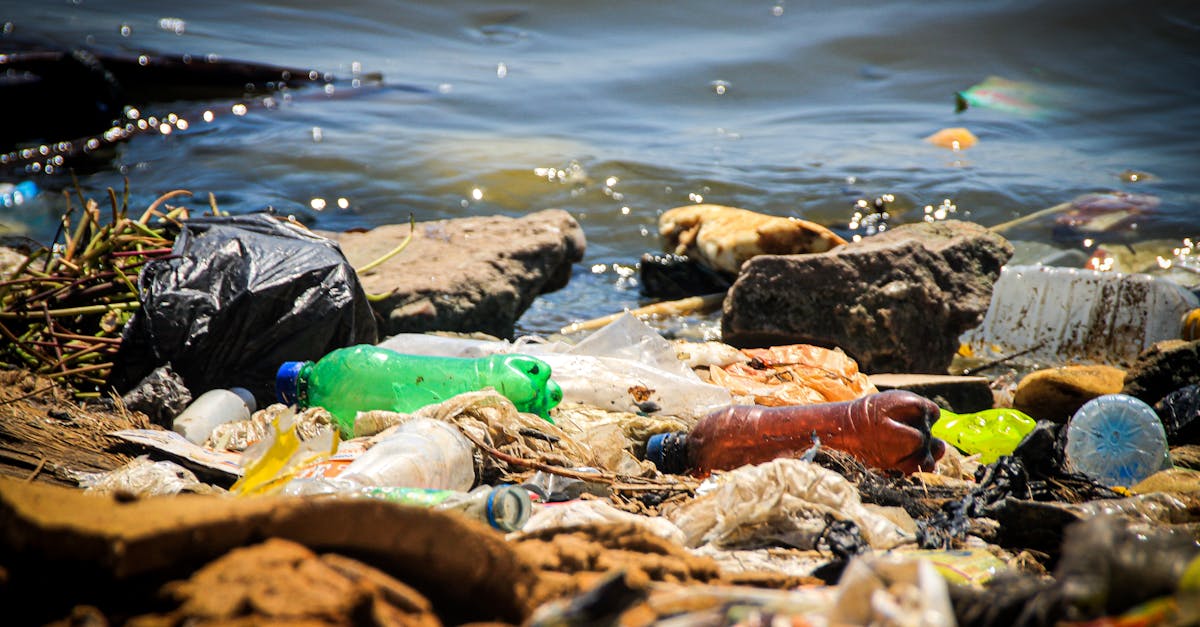
Regular rubbish collection plays a crucial role in promoting environmental sustainability within communities. By ensuring that waste is disposed of appropriately and on time, it reduces the chances of rubbish being dumped illegally or left to decay in public spaces. This systematic approach helps to minimise pollution and manage resources more efficiently, contributing to a cleaner and healthier environment for all.
Moreover, effective refuse management encourages recycling and composting initiatives. Households can effectively separate recyclable materials, which helps divert waste from landfills. This not only conserves natural resources but also reduces greenhouse gas emissions resulting from decomposition in landfill sites. As a result, communities can work towards more sustainable practices that benefit both people and the planet.
Reducing Landfill Waste
Regular rubbish collection plays a vital role in minimising the amount of waste that ends up in landfill sites. When households participate in scheduled rubbish collection, they are more likely to dispose of their waste properly. This practice helps to sort recyclable materials from general waste, which in turn decreases the burden on landfills. By ensuring that recyclables are collected and processed, councils can significantly reduce the volume of waste sent to landfill, promoting a more sustainable waste management system.
The consistent removal of rubbish encourages households to be more mindful of their waste disposal habits. It provides an opportunity for individuals to reflect on their consumption patterns and consider alternatives, such as reducing single-use plastics or opting for more sustainable products. These small changes within the community can lead to a substantial collective impact on reducing landfill waste. Emphasising and supporting regular rubbish collection fosters awareness, helping to cultivate a culture of responsibility towards waste management among residents.
Boosting Local Economy
Regular rubbish collection services can significantly enhance local economic vitality. Efficient waste management practices lead to cleaner neighbourhoods, which can attract more businesses and tourists. A pleasant environment plays a crucial role in drawing in customers, creating a positive cycle where increased foot traffic benefits local shops and services.
Moreover, investing in rubbish collection contributes to broader economic opportunities. Municipalities often outsource waste management to local companies, stimulating competition and survival of small businesses. This not only generates revenue for these firms but also results in increased tax income for the local government, which can be reinvested in community initiatives and infrastructure improvements.
Creating Jobs in Waste Management
The waste management sector plays a crucial role in offering diverse employment opportunities across various skill levels. From entry-level positions for drivers and collection workers to specialised roles in recycling, logistics, and environmental science, the industry encompasses a broad range of professions. This sector not only provides immediate job opportunities but also supports long-term career paths through training and development programmes. As communities prioritise responsible waste practices, the demand for skilled personnel continues to rise.
Increased rubbish collection initiatives lead to the creation of more local jobs, which contributes positively to the economy. As waste management operations expand, they stimulate demand for related services and products, fostering growth in sectors like manufacturing and technology. Local businesses benefit when communities invest in waste management systems. Moreover, engaging residents in proper waste disposal practices nurtures a sense of responsibility and further cements the role of waste management in community well-being.
Reinforcing Social Responsibility
Regular rubbish collection plays a crucial role in nurturing a sense of social responsibility within communities. When households are provided with a reliable waste management service, residents are more likely to participate in sustainable practices. People become more conscientious about their waste, understanding its impact on the environment. This heightened awareness encourages individuals to engage in practices such as recycling and composting, leading to a cleaner community and fewer negative environmental effects.
Additionally, the presence of consistent rubbish collection fosters a culture of accountability among neighbours. When people see their peers taking care of their waste and keeping the surroundings tidy, it inspires others to follow suit. Such collective efforts not only enhance the neighbourhood’s appearance but also strengthen community bonds. By reinforcing these values, local residents cultivate a sense of pride in their environment and promote cooperation in maintaining collective spaces.
Fostering Community Engagement
Regular rubbish collection services can serve as a catalyst for community cohesion. When residents take part in scheduled waste collection, they are often more aware of their neighbourhood. This awareness fosters conversations about local environmental issues and collective responsibility. Community clean-up events frequently arise from these discussions, creating opportunities for neighbours to collaborate. Such initiatives not only beautify the area but also instil a sense of pride among residents.
Proactive engagement in rubbish management leads to shared community values. When individuals witness the positive impacts of regular waste collection, it encourages them to adopt eco-friendly practices. Workshops and informational sessions about recycling and waste reduction can enhance community knowledge. Moreover, these gatherings allow for networking and the building of relationships, making the community more resilient and united in addressing environmental challenges.
FAQS
How does regular rubbish collection contribute to environmental sustainability?
Regular rubbish collection helps to ensure that waste is managed efficiently, reducing the amount of rubbish that ends up in landfills. This practice promotes recycling and composting, which can significantly lower greenhouse gas emissions and conserve natural resources.
What impact does regular rubbish collection have on landfill waste?
Regular rubbish collection reduces the volume of waste sent to landfills by encouraging proper waste disposal practices. This means that more recyclables can be diverted from landfills, leading to a healthier environment and longer-lasting landfill sites.
In what ways does regular rubbish collection boost the local economy?
Consistent rubbish collection services create jobs and stimulate local economies. By employing workers in waste management and related sectors, communities can benefit from increased employment opportunities and economic growth.
How does regular rubbish collection create jobs in waste management?
The demand for regular rubbish collection services leads to the establishment and expansion of waste management companies, which in turn creates jobs in collection, sorting, recycling, and waste processing.
Why is fostering community engagement important in relation to rubbish collection?
Fostering community engagement encourages residents to participate in responsible waste disposal practices, which reinforces social responsibility. When communities work together to manage rubbish effectively, they enhance their local environment and build a sense of community pride.
Related Links
Decluttering Strategies for Brisbane Apartments: When to Call for RemovalUnderstanding the Costs of Residential Rubbish Removal in Brisbane
Fast and Affordable Rubbish Removal Options for Brisbane Households
Managing Waste in High-Rise Apartments: A Guide for Residents
Seasonal Clean-Up: Rubbish Removal Tips for Brisbane Residents
Eco-Friendly Practices for Household Rubbish Disposal in Brisbane
Navigating Local Regulations for Apartment Waste Disposal