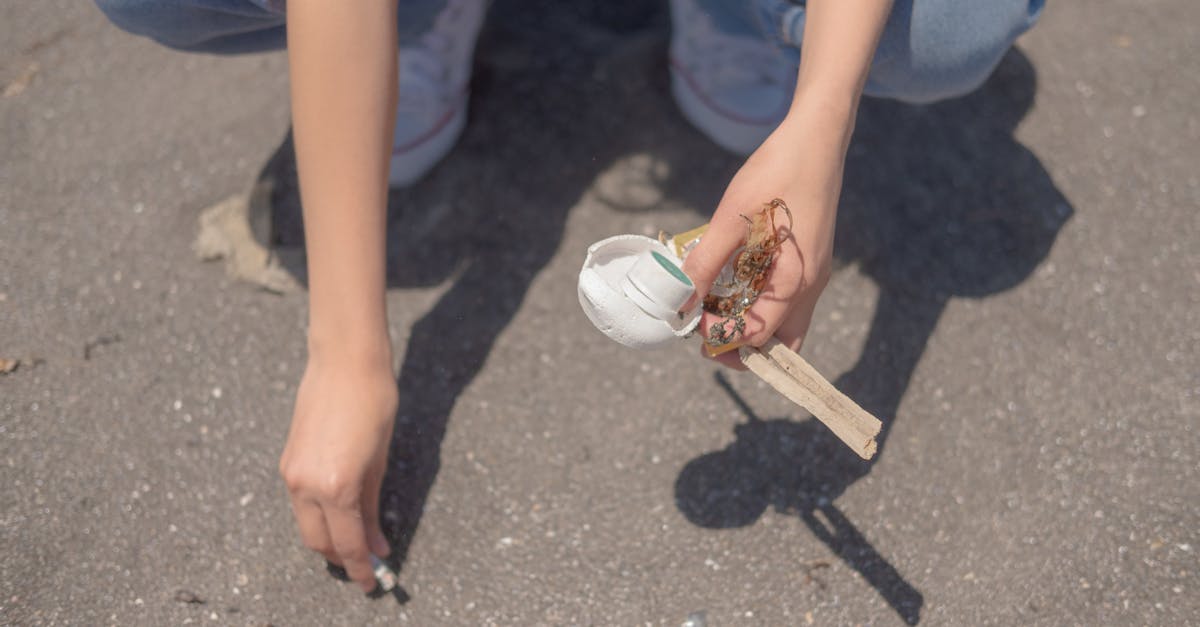
Eco-Friendly Practices for Household Rubbish Disposal in Brisbane
Table Of Contents
Donation and Reuse Options
Brisbane offers numerous opportunities for residents to donate unwanted items instead of discarding them. Local charities and organisations welcome various goods, including clothing, furniture, and electronics. Many of these organisations even provide convenient drop-off points or collection services, making it easier for community members to contribute to a more sustainable future. It is always advisable to ensure that items are in good condition and suitable for reuse, as this encourages a vibrant culture of recycling and generosity.
Reusing items not only helps the environment but also fosters creativity and resourcefulness within the community. Creative reuse events, such as swap meets or upcycling workshops, provide excellent platforms for individuals to exchange their excess belongings. These events not only divert waste but also inspire new perspectives on how materials can be repurposed. Embracing a mindset of donation and reuse can significantly reduce the volume of rubbish produced by households while simultaneously supporting those in need across the city.
Where to Donate Unwanted Items in Brisbane
Brisbane offers numerous options for donating unwanted items, making it easy to contribute to local charities and community organisations. Well-known charities such as St Vincent de Paul and The Salvation Army have drop-off locations throughout the city where residents can leave clothing, furniture, and household goods in good condition. Additionally, organisations like the Brisbane City Council often hold community events, encouraging the donation of items that can be repurposed or refurbished.
Local op shops provide another avenue for donations, helping to raise funds for various social causes. Many of these stores also welcome general household items, books, and toys. Before donating, it's advisable to check with specific organisations for their item acceptance policies, ensuring that your contributions align with their needs and guidelines.
Creating a Waste Reduction Plan
A well-structured waste reduction plan begins by assessing the types and volumes of waste generated in your household. Keeping track of rubbish created over a few weeks can unveil patterns and highlight areas for improvement. This initial analysis helps identify items that can be recycled, composted, or repurposed. Families can also set specific goals, such as aiming to reduce waste by a particular percentage or minimising single-use plastics.
Incorporating strategies into daily routines can make a significant difference. Simple practices like shopping with reusable bags, opting for bulk purchases, and carefully selecting products with minimal packaging contribute to waste reduction. Engaging all household members in the plan ensures shared responsibility and encourages sustainable habits. Reviewing the plan periodically allows for the identification of successes and areas needing adjustment, fostering a culture of continual improvement in eco-friendly practices.
Steps to Achieve Minimal Waste in Your Household
To effectively reduce waste in your household, start by conducting a thorough assessment of your current purchasing habits. Take note of items that frequently become waste or are rarely used. This evaluation will help identify areas where you can make conscious changes, such as opting for reusable products over single-use items. Implementing a 'one-in, one-out' policy can also aid in maintaining a clutter-free environment. When you acquire something new, consider letting go of an item you no longer need.
Incorporating meal planning into your routine is another practical step towards minimal waste. By planning your meals for the week, you can buy only the ingredients necessary, reducing food waste significantly. Composting is an additional sustainable practice that allows organic waste to be repurposed, returning nutrients to the soil. Making composting a family activity can encourage everyone to participate in waste reduction efforts while teaching valuable lessons about sustainability and responsible consumption.
Engaging with Local Community Initiatives
Participating in local community initiatives can significantly enhance eco-friendly practices when it comes to household waste management. Many Brisbane communities offer programs that encourage residents to reduce waste through various methods. These may include community composting schemes, clean-up events, and recycling drives that not only help declutter homes but also foster a sense of collaboration among neighbours. Such activities provide an excellent opportunity for individuals to share resources and knowledge, ultimately contributing to a more sustainable environment.
Community-led efforts often include workshops and educational sessions focused on waste reduction and recycling strategies. These events bring together experts and green advocates who can share insights and practical tips. Engaging in these initiatives allows households to learn creative ways to repurpose items and minimise waste, while also connecting residents with like-minded individuals committed to environmental sustainability. Building awareness in the community supports a collective goal of creating a greener Brisbane, where each step taken makes a tangible difference.
How Community Programs Support Eco-Friendly Practices
Local community programs play a vital role in promoting eco-friendly practices by providing residents with resources and support to manage waste effectively. Initiatives such as community clean-up events, recycling workshops, and waste audits encourage participation and raise awareness about sustainable disposal methods. These programs often collaborate with local councils and environmental organisations to educate residents on the benefits of reducing, reusing, and recycling.
In addition, community gardens and sharing schemes foster a culture of sustainability by allowing neighbours to share resources and produce. By engaging with these local initiatives, residents become part of a collective effort to minimise waste and promote environmentally responsible behaviour. This sense of community not only strengthens local bonds but also instils a deeper understanding of individual actions’ impact on the environment.
FAQS
What are some eco-friendly options for disposing of household rubbish in Brisbane?
In Brisbane, you can consider donating unwanted items, reusing materials, or participating in local recycling programs. Many organisations accept donations, and there are also community initiatives aimed at reducing waste.
Where can I donate unwanted items in Brisbane?
There are various organisations in Brisbane where you can donate unwanted items, including the Salvation Army, St Vincent de Paul, and local charity shops. Check their websites for specific items accepted and drop-off locations.
How can I create a waste reduction plan for my household?
To create a waste reduction plan, start by assessing your current waste habits, setting specific goals for reducing waste, and implementing strategies such as composting, recycling, and mindful purchasing.
What steps can I take to achieve minimal waste in my household?
Steps to achieve minimal waste include conducting a waste audit, buying in bulk, using reusable bags and containers, composting organic waste, and regularly donating items you no longer need.
How do community programs in Brisbane support eco-friendly practices?
Community programs in Brisbane often provide resources and workshops on sustainable living, organise clean-up events, and promote recycling and composting initiatives. Engaging with these programs can help raise awareness and foster a culture of sustainability.
Related Links
Seasonal Clean-Up: Rubbish Removal Tips for Brisbane ResidentsDecluttering Strategies for Brisbane Apartments: When to Call for Removal
Fast and Affordable Rubbish Removal Options for Brisbane Households
Managing Waste in High-Rise Apartments: A Guide for Residents
The Benefits of Regular Rubbish Collection for Households
Understanding the Costs of Residential Rubbish Removal in Brisbane