Seasonal Clean-Up: Rubbish Removal Tips for Brisbane Residents
Table Of Contents
DIY Rubbish Removal Tips
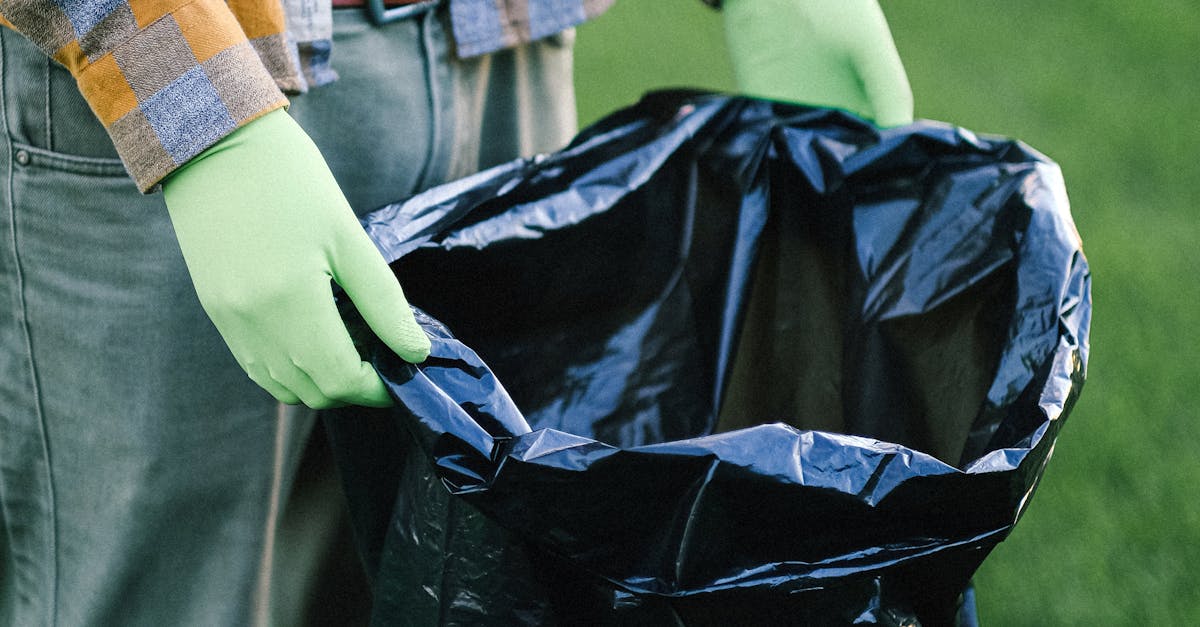
Planning your rubbish removal can make the process more efficient and less overwhelming. Start by categorising items into recyclables, general waste, and those that can be donated. Gather necessary supplies like gloves, dust masks, and sturdy bags or boxes. Keeping a checklist can help you manage your progress and ensure that no area is overlooked during the clean-up.
Once you have sorted the items, consider involving family or friends. Having extra hands can expedite the process and make it more enjoyable. It's also essential to set designated areas for specific types of waste to avoid confusion. If you feel overwhelmed, take breaks to stay motivated and avoid injury. Remember to check for local collection events or community clean-up initiatives that may assist in your efforts.
Safety Precautions to Follow
Before embarking on any rubbish removal task, it is essential to assess the area and identify potential hazards. Wearing appropriate personal protective equipment is crucial. This includes gloves, sturdy footwear, and a mask if dust or debris may become airborne. Ensuring that the workspace is clear and well-lit will reduce the risk of accidents. Be mindful of sharp objects, heavy items, and chemicals that may pose a danger during the clean-up process.
It is also important to have a plan in place for heavy lifting. Enlist help if needed and use correct lifting techniques to avoid strain and injury. Familiarise yourself with the contents of bags or containers before moving them, as they may contain unexpected items. If dealing with hazardous materials, refer to local regulations for safe handling and disposal methods. Staying alert and taking the necessary precautions can make the clean-up process safer and more efficient.
Eco-Friendly Disposal Options
Choosing eco-friendly disposal options can significantly reduce the environmental impact of rubbish removal. Brisbane residents have access to various programs dedicated to sustainable waste disposal. Many local councils provide green waste collection services, allowing residents to dispose of organic materials efficiently. Additionally, items such as electronic waste and hazardous materials can often be dropped off at designated recycling centres, ensuring they are handled appropriately.
Recycling not only conserves resources but also reduces landfill usage. Local charities and organisations offer opportunities for donating unwanted items, giving them a second life and helping those in need. Before discarding any item, consider its recyclability or potential for donation. This approach not only benefits the environment but also fosters a sense of community by supporting local initiatives.
Recycling and Donation Opportunities
Residents can significantly reduce waste by exploring local recycling programmes and donation spots for unwanted items. Many charities across Brisbane accept various goods such as clothing, furniture, and household appliances. Donating these items not only assists those in need but also diverts them from landfills, benefiting the environment.
Recycling facilities are readily available throughout the city, offering a convenient way to dispose of recyclable materials like paper, glass, and plastics. Using designated recycling bins ensures these materials are handled correctly. Additionally, firms often host local events for bulky item recycling or e-waste drop-offs, allowing residents to responsibly dispose of larger items while supporting sustainability initiatives in the area.
The Role of Local Councils in Rubbish Collection
Local councils play a crucial role in the management of waste within Brisbane, ensuring that rubbish collection services operate efficiently. They provide regular kerbside collections, giving residents designated times to dispose of their general waste, recycling, and green waste. Councils also organise bulk waste collection events several times a year, allowing households to clear larger items that cannot fit into standard bins.
In addition to regular rubbish collection, local councils enforce waste management policies aimed at promoting recycling and reducing landfill use. They provide information on proper waste disposal methods and set guidelines for residents to follow. This helps to foster a community that prioritises sustainability and environmental responsibility, making it essential for residents to stay informed about their council’s services and regulations.
Understanding Brisbane's Waste Management Policies
Brisbane's waste management policies aim to promote responsible waste disposal and minimise environmental impact. The local council implements a range of services designed to assist residents in managing their rubbish effectively. These services include regular kerbside collections, recycling programs, and designated drop-off facilities for large or hazardous items. Understanding the specific guidelines for each of these services can enhance participation in the community's sustainability efforts.
The council also emphasises the importance of reducing waste at the source. Initiatives such as educational programs and community events encourage residents to think critically about their consumption habits. Local policies facilitate proper recycling practices, ensuring that recyclable materials are processed efficiently. By adhering to these regulations, citizens can play an active role in supporting Brisbane's commitment to a cleaner environment.
FAQS
What are some effective DIY rubbish removal tips for Brisbane residents?
Effective DIY rubbish removal tips include planning your clean-up in advance, sorting items into categories (keep, recycle, dispose), using appropriate protective gear, and utilizing local waste collection services for larger items.
What safety precautions should I take during a seasonal clean-up?
Safety precautions to follow include wearing gloves and sturdy footwear, using masks if handling hazardous materials, ensuring proper lifting techniques to avoid injury, and keeping children and pets away from the clean-up area.
What eco-friendly disposal options are available in Brisbane?
Eco-friendly disposal options in Brisbane include recycling through designated bins, composting organic waste, and using local drop-off points for hazardous materials or e-waste.
How can I recycle or donate items during my clean-up?
You can recycle or donate items by locating nearby charity shops, checking local council websites for recycling programs, or using online platforms to give away items you no longer need.
What is the role of local councils in rubbish collection in Brisbane?
Local councils in Brisbane are responsible for managing waste collection services, providing guidance on proper disposal methods, and implementing waste management policies to promote recycling and reduce landfill use.
Related Links
Managing Waste in High-Rise Apartments: A Guide for ResidentsEco-Friendly Practices for Household Rubbish Disposal in Brisbane
Fast and Affordable Rubbish Removal Options for Brisbane Households
Decluttering Strategies for Brisbane Apartments: When to Call for Removal
The Benefits of Regular Rubbish Collection for Households